

Enhancing Student Learning with High-Quality Educational Microscopes from Blais Microscope

Exploring the microscopic world opens up a universe of discovery for students. Educational microscopes provide a hands-on way to engage learners, helping them understand biology and science concepts more deeply. Blais Microscope offers educational microscopes designed specifically for classrooms and laboratories, combining ease of use with durability. These tools support educators in sparking curiosity and encouraging scientific inquiry among students.
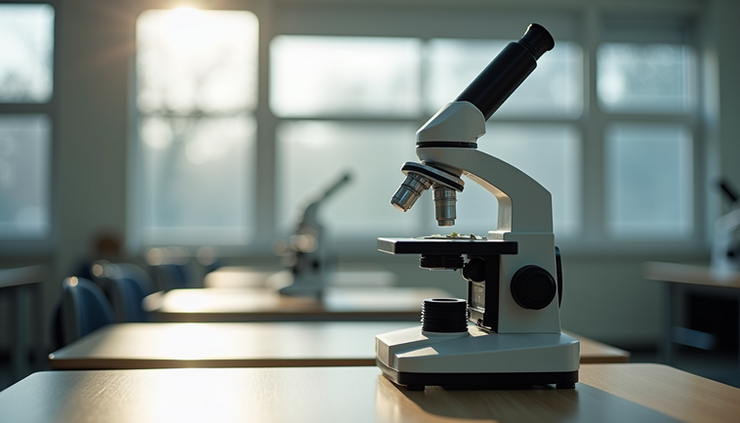
Why Educational Microscopes Matter in Learning
Microscopes bring science lessons to life. When students can see cells, microorganisms, and tiny structures firsthand, abstract concepts become concrete. This hands-on experience improves understanding and retention. It also encourages students to ask questions and explore further.
Using microscopes in education helps develop critical thinking and observation skills. Students learn to prepare slides, adjust focus, and interpret what they see. These activities build patience and attention to detail, important skills beyond science classes.
Features That Make Blais Microscope Ideal for Students
Blais Microscope focuses on creating educational microscopes that meet the needs of learners and teachers. Some key features include:
User-friendly controls: Simple knobs and clear instructions make it easy for students to operate the microscope without frustration.
Durable construction: Built to withstand frequent use in busy classrooms, these microscopes last longer and require less maintenance.
Clear optics: High-quality lenses provide sharp images, helping students see details clearly.
Adjustable lighting: Proper illumination is essential for viewing specimens, and Blais microscopes offer bright, adjustable light sources.
Compact design: These microscopes fit well on classroom desks and are easy to store.
These features combine to create a reliable tool that supports learning and exploration.
How Blais Microscope Supports Educators
Teachers play a crucial role in guiding students through scientific discovery. Blais Microscope helps educators by providing equipment that is straightforward to use and maintain. This reduces setup time and technical difficulties, allowing more time for teaching and experiments.
Additionally, Blais offers resources and support to help teachers integrate microscopes into their curriculum effectively. This includes advice on specimen preparation, lesson ideas, and troubleshooting tips.
Practical Examples of Classroom Use
In biology classes, students can examine plant cells, insect parts, or pond water samples. Seeing the structure of a leaf or the movement of microorganisms makes lessons memorable.
Science clubs and after-school programs also benefit from having quality microscopes. Students can conduct independent projects, such as studying mold growth or comparing different soil samples.
Laboratories in schools with Blais microscopes can host more interactive sessions, encouraging group work and discussion. This hands-on approach fosters teamwork and communication skills.
Encouraging the Next Generation of Scientists
Providing students with access to educational microscopes helps build a foundation for future scientific learning. Early exposure to scientific tools and methods can inspire students to pursue careers in science, technology, engineering, and math (STEM).
Blais Microscope’s commitment to quality and usability means students get a positive experience that encourages curiosity. When students feel confident using scientific equipment, they are more likely to explore and innovate.
Summary
Educational microscopes are essential tools for enhancing student learning in science. Blais Microscope offers microscopes designed to be easy to use, durable, and effective for classroom and laboratory settings. These microscopes help educators create engaging lessons that develop observation, critical thinking, and scientific inquiry skills.


Comments